
What Defines The Best Thai Restaurant Bangkok For First-Time Visitors?
If you’re new to Bangkok and looking for the quintessential Thai restaurant experience, knowing what truly makes a “best” spot can transform your meal into a vivid introduction to Thai culture, flavors, and hospitality. Browsing a site like BKK Scene — with its curated lists of Dining Spots in Bangkok — helps guide you toward top contenders. Thai restaurants Bangkok first-time visitors should try are defined by authentic flavors, welcoming atmospheres, and menus that showcase classic Thai dishes.
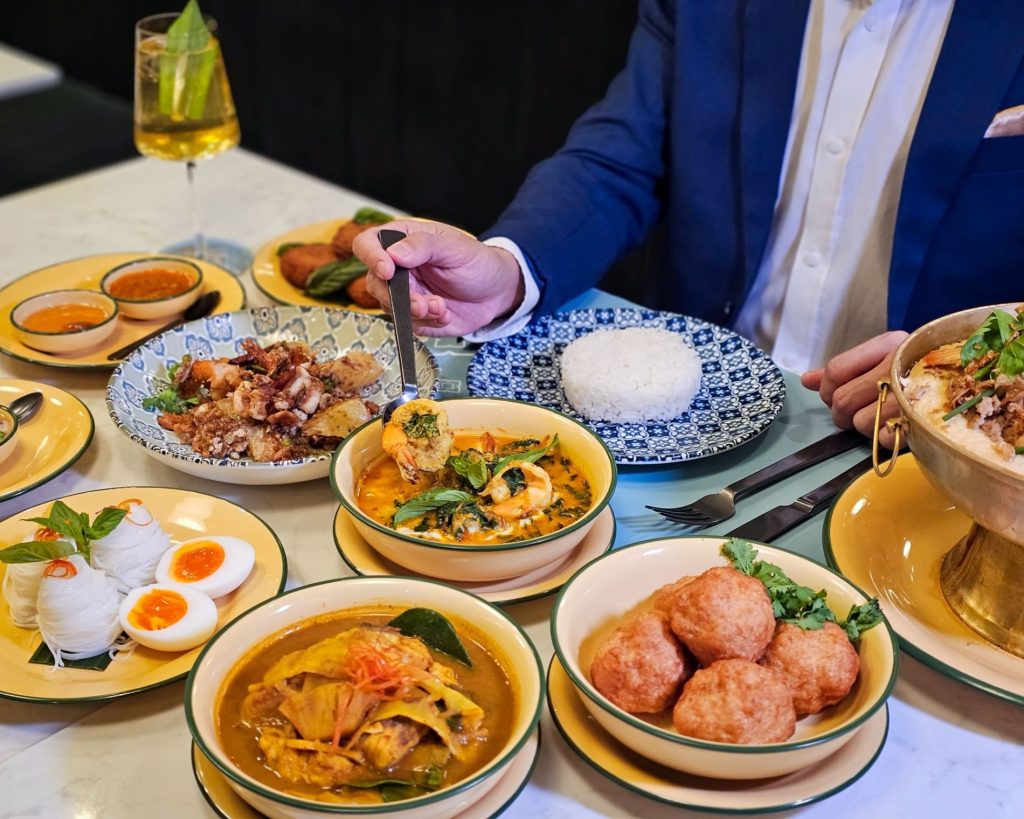
The Foundation: Authenticity, Accessibility & Atmosphere
For a first-time visitor, the “best” Thai restaurant often starts with authenticity of cuisine. This doesn’t necessarily mean the fanciest or most expensive — but dishes that reflect true Thai cooking traditions, prepared with care and respect for ingredients. Bangkok’s dining scene ranges widely, from high-end fine dining to humble street-food stalls; what matters most is flavor, freshness, and honesty in the food.
But authenticity alone isn’t enough. Ease of access, clear information, and a welcoming, navigable environment weigh heavily. That’s why a resource like BKK Scene which organizes restaurants under “Dining Spots,” “Best Restaurants in Bangkok,” “Best Buffets,” etc. is useful for first-time travellers, offering curated guidance so you don’t have to rely purely on randomness.
Lastly, atmosphere matters. Bangkok’s great restaurants balance tradition with comfort, a place where you feel safe, at ease, and curious. Whether it’s a lively street-side spot simmering with energy or a tranquil, air-conditioned restaurant showcasing refined decor, the vibe should match your mood and level of culinary adventure.
What Makes Food Stand Out: Quality, Freshness & Regional Flavors
A standout Thai restaurant offers food that delights the senses texture, aroma, spice, balance. In Bangkok, the best places emphasize fresh ingredients, careful preparation, and respect for traditional flavor profiles (or well-balanced modern interpretations). As travellers discover via guides, a top dining experience isn’t just about “spicy curry” but about the nuance of flavors, the heat of chilies balanced with herbs, lime, sweetness, and sometimes a bit of fire.
Regional variety also adds depth. Thailand’s cuisine is rich and diverse, not monolithic northern dishes, southern specialties, central Thai classics, and seafood-heavy coastal fare can all be found. A “best” restaurant for a first-timer might introduce you gently to this spectrum, offering both familiar staples and dishes unique to certain Thai regions.
Another aspect: for travellers fearful of hygiene or uncertainty, freshness often signalled by high turnover (lots of diners), or by seeing food prepared in front of you becomes a proxy for trustworthiness. Many guides advise choosing busy stalls or restaurants to ensure the food is fresh.
Guidance & Curation: Why BKK Scene And Similar Guides Matter
When you land in Bangkok, the vast sea of food street stalls, restaurants, fine-dining temples, hidden gems can be overwhelming. This is where curated guides step in. BKK Scene organizes dining options under helpful categories (e.g. “The Best Restaurants in Bangkok,” “The Best Buffet in Bangkok,” “Dining Spots,” etc.), making it easier for first-time visitors to zero in on suitable choices rather than relying on random wanderings.
Especially for travellers unfamiliar with Thai dining culture, or with limited time, these guides help filter by convenience, cuisine type, style (casual, street-food, fine dining) and sometimes even by budget. They act as a bridge between local insiders and newcomers.
Additionally, such guides also provide practical travel-friendly advice: opening hours (many restaurants begin serving lunch around 11 AM and continue dinner into the night), reservation tips for popular or fine-dining venues, and notes on vegetarian or dietary accommodations useful given Bangkok’s mix of local and international diners.
The Role Of Diversity: Street-Food, Casual Dining & Fine Dining
Bangkok’s “best” Thai restaurants are rarely all of one kind. For first-timers, a mix of experiences can offer a richer sense of Thai culture and cuisine. On one hand, street-food vendors and casual eateries bring raw, vibrant flavor, local energy, and affordability. On the other, sit-down restaurants and fine-dining options highlight craftsmanship, regional specialities, and sometimes reinterpretations of Thai cuisine with finesse.
This variety means that “best” doesn’t always equate to “fanciest.” A well-run street stall with fresh, well-prepared food might offer a more authentic, memorable taste than an upscale restaurant — especially for someone eager to explore the heart of Thai culinary culture. Meanwhile, fine dining offers a different kind of value: ambience, elevated presentation, and sometimes a deeper dive into regional specialties or creative menus inspired by tradition.
Guides like BKK Scene often reflect this range, listing everything from casual dining spots to buffets and high-end restaurants under different categories giving first-time visitors the power to choose based on mood, appetite, budget, and travel agenda.
Practical Markers Of A “Top” Thai Restaurant For First-Timers
When you’re new to Bangkok, here are some of the practical markers that tend to distinguish a restaurant worth trying:
- A lively clientele or steady stream of diners — indicative of fresh turnover and quality.
- Clear signage or online/web presence (menus in English or transliterations, guide-book or web-guide listing) — reducing friction for non-Thai-speaking visitors.
- Cleanliness and transparent hygiene practices: e.g., food cooked in front of you, visible cooking area, cooked-to-order dishes rather than leftovers.
- Flexibility: ability to modestly adjust spice level or accommodate dietary preferences (vegetarian, less spicy etc.), especially helpful for novices.
- Balance in cuisine: offering both well-known Thai staples (for familiarity) and regional or lesser-known dishes (for adventure), giving a broad taste of Thai culinary diversity.
- Friendly, hospitable service — reflecting Thai “sanuk” (joyful) culture, making the dining experience memorable, not just about food.
Such markers help first-time visitors navigate Bangkok’s massive food landscape more confidently.
Why Bangkok Is Special And What That Means For First-Timers
Bangkok’s food scene is notoriously dynamic and diverse. Nowadays, the city is not just about street-food and casual fare: world-class restaurants and fine-dining venues have elevated Thai cuisine internationally, weaving tradition with modern technique. Among them, some establishments have even earned international acclaim for excellence a sign of how Thai food is being reimagined while preserving its soul.
Yet at the same time, Bangkok remains a city where simple, humble meals served at roadside stalls or small eateries deliver some of the most authentic, unforgettable flavors. For first-time visitors — often navigating unfamiliar tastes, comfort levels, and budgets — this duality offers a rare opportunity: sample Thai cuisine across a spectrum, from rustic to refined; from spicy street plates to elegantly plated regional delicacies.
Resource-based guides like BKK Scene help strip away the uncertainty and provide structure to that exploration. They give you entry points: a few good restaurants or dining spots to begin with, before you dive deeper into Bangkok’s culinary maze.
A First-Timer’s Strategy: Combine Comfort With Curiosity
If you’re visiting Bangkok for the first time and want to discover a “best” Thai restaurant, a smart approach is to balance comfort (familiar dishes, clean environment, ease of communication) with curiosity (trying new flavours, exploring regional dishes, street food energy).
Start with a few restaurants or dining spots recommended by a guide like BKK Scene perhaps a mid-range sit-down place offering classic Thai fare. Order familiar dishes (a stir-fried basil dish, a mild curry, a sweet-savory dessert) but also ask for the server’s favourite or the house special: a regional curry, a chef’s recommendation, something slightly adventurous.
If time and appetite allow, don’t shy away from street food — but choose stalls that look busy, where food is cooked to order, where you can see ingredients. That way you experience the everyday Thai dining culture. Pair those meals with at least one meal at a more polished restaurant (maybe fine-dining or a well-rated casual place) to appreciate the range of Thai cuisine.
This gives you both safety and variety: you lay down a baseline of comfort, while opening the door to discovery.